Skip to content
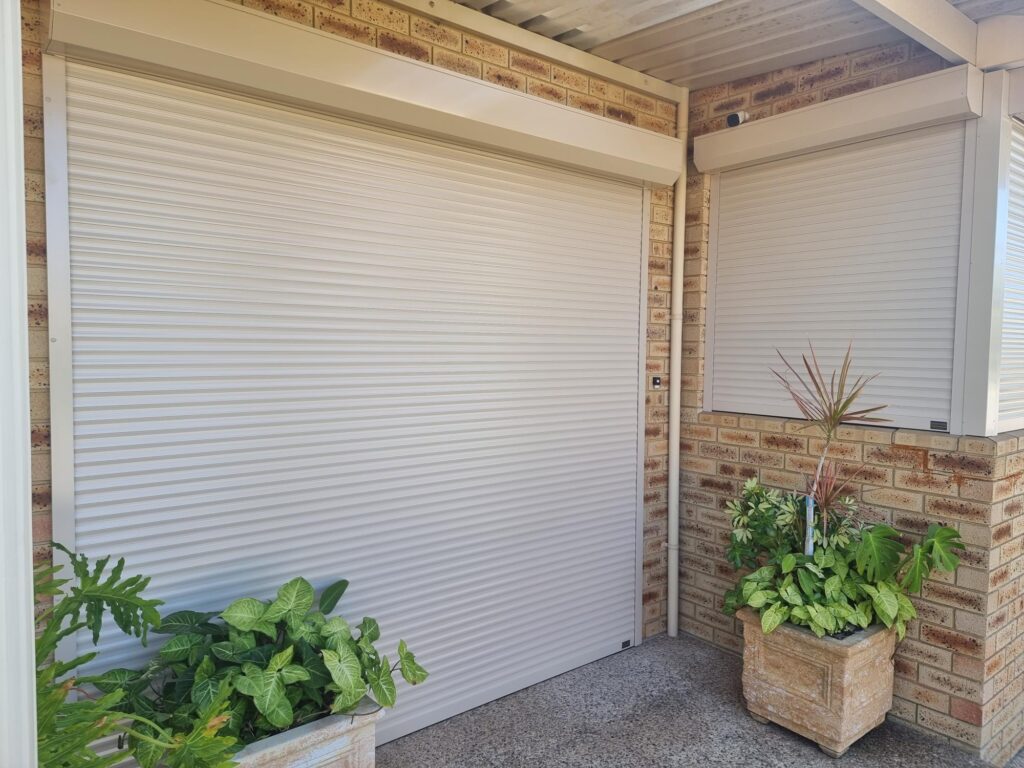
You’ve decided your Perth home needs roller shutters. Smart move; they’ll block the heat, boost your security, and cut your energy bills. But now comes the question that trips up most homeowners: should you go manual or electric?
It’s not as simple as “electric is better but costs more.” The right choice depends on your budget, your windows, who lives in your home, and how you actually plan to use your shutters. A young couple with two small windows has very different needs to a retiree with eight large windows facing west.
We’ve helped hundreds of Perth families make this decision. In this guide, we’ll break down exactly what each type offers, what they cost in 2025, and how to choose the option that makes sense for your situation, not just the one that sounds fancier.
The quick version
Manual roller shutters cost less upfront ($500–$1,000 installed) and work without power. You operate them with a strap, crank, or winder mounted inside your home. They’re reliable, simple, and perfectly adequate for small windows you don’t operate frequently.
Electric roller shutters cost more ($800–$1,600 installed) but offer push-button convenience, remote control, smart home integration, and superior security. The motor locks the shutter in place, making it nearly impossible to lift from outside. They’re essential for large windows, hard-to-reach locations, and anyone with mobility limitations.
The short version: If budget is tight and you’re only covering one or two small windows, manual works fine. For three or more windows, large openings, or any accessibility needs, electric pays for itself in convenience and energy savings.
What are manual roller shutters?
Manual roller shutters use a spring-loaded mechanism operated by hand. You’ll have a strap, tape, or crank winder mounted on your internal wall, and pulling or turning it raises and lowers the shutter.
How they work:
The shutter curtain wraps around a barrel inside the pelmet box above your window. A torsion spring provides counter-balance, so you’re not lifting the full weight of the aluminium slats. The strap or crank connects to this barrel, and your effort does the rest.
What’s involved:
- Internal winder box visible on your wall (usually near the window frame)
- Physical effort required for each operation
- No electrical work needed during installation
- Spring mechanism requires occasional adjustment (every 3–5 years)
Best suited for:
- Budget-conscious installations
- Small to medium windows (up to about 5m²)
- Infrequently used shutters (spare rooms, storage areas)
- Homeowners comfortable with physical operation
- Properties where you want to avoid electrical work
Manual shutters can absolutely do the job. They’ve been protecting Perth homes for decades. But they do require you to physically operate each window individually, which becomes tedious quickly if you’re covering multiple openings.
What are electric roller shutters?
Electric roller shutters use a tubular motor fitted inside the shutter barrel. Press a button, click a remote, or tap your phone, the motor does all the work.
How they work:
A compact motor (typically 100–155 watts) sits inside the roll tube and drives the shutter up or down. Built-in limit switches remember exactly where to stop at the top and bottom. Most quality motors include thermal protection to prevent overheating during extended use.
Control options available:
- Wall-mounted switch (hardwired)
- Handheld remote control
- Smartphone app (WiFi-enabled models)
- Voice control via Google Home or Alexa
- Programmable timers and schedules
- Sun and wind sensors for automatic operation
What’s involved:
- 240V hardwired installation requires a licensed electrician
- Battery-powered options available (no electrician needed)
- Motor replacement typically needed after 10–15 years
- Small running cost (~$8–$14 per shutter annually)
Best suited for:
- Multiple windows (three or more)
- Large or heavy shutters
- Hard-to-reach windows (upper storeys, behind furniture)
- Elderly residents or anyone with mobility limitations
- Smart home enthusiasts
- Security-focused homeowners
- Shift workers and FIFO families wanting automated schedules
The real magic happens when you connect electric shutters to smart home systems. Schedule them to close automatically at 11 a.m. before the worst heat hits, then open when the Fremantle Doctor arrives. Close everything with one tap when you leave for work. Simulate occupancy while you’re on holiday.
Manual vs electric: Side-by-side comparison
| Feature | Manual | Electric |
| Installed cost (medium window) | $500–$1,000 | $800–$1,600 |
| Operation | Physical effort required | Push-button, remote, or app |
| Power required | No | Yes (240V or battery) |
| Running cost | $0 | ~$8–$14/year per shutter |
| Works during blackouts | Yes | No (unless battery backup fitted) |
| Suitable for large windows | Limited | Yes, handles heavy shutters easily |
| Security | Good | Better, motor locks shutter in place |
| Smart home compatible | No | Yes (WiFi models) |
| Automation possible | No | Yes, timers, sensors, schedules |
| Accessibility | Requires physical ability | Ideal for elderly/disabled users |
| Installation complexity | Simpler | Requires electrician (240V models) |
| Motor lifespan | N/A | 10–15 years typical |
| Can be upgraded later | Yes, convert to electric | N/A |
| MCF warranty | 1 year components | 10 years motor and components |
What you’ll actually pay in Perth
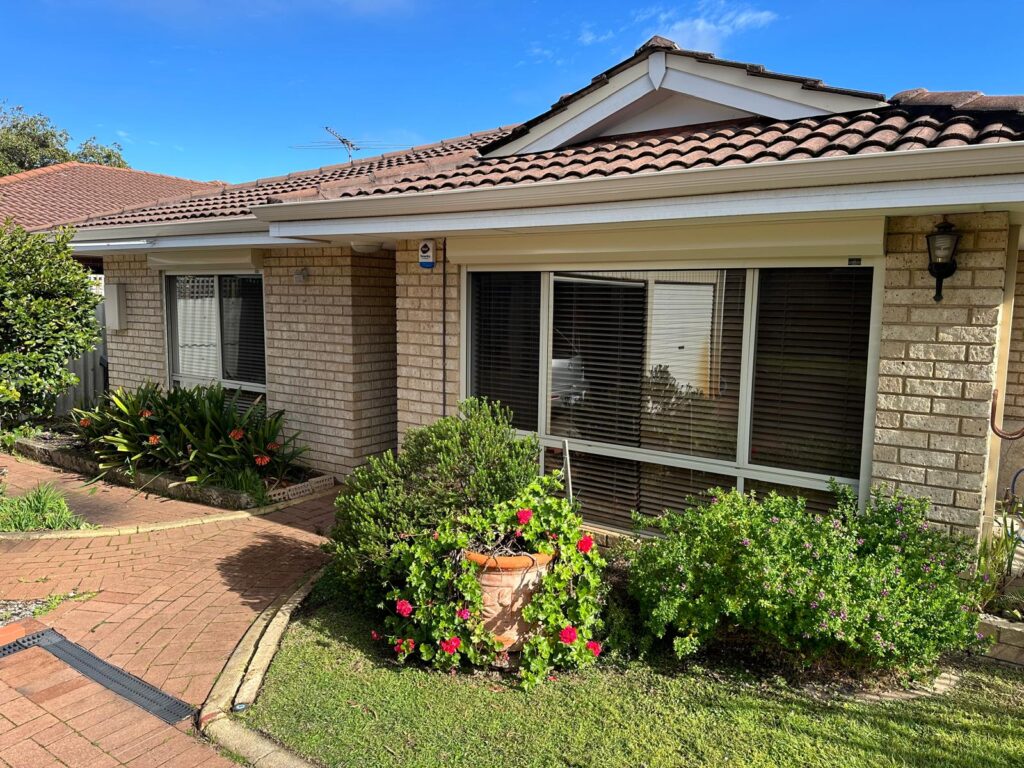
Let’s talk real numbers. These are typical 2025 prices for quality shutters fully installed in the Perth metro area.
Manual roller shutters:
| Window Size | Installed Price |
| Small (under 1m wide) | $300–$500 |
| Medium (1–1.5m wide) | $500–$800 |
| Large (1.5–2m wide) | $800–$1,200 |
| Extra large (2m+ wide) | $1,000–$1,400 |
Electric roller shutters:
| Window Size | Installed Price |
| Small (under 1m wide) | $600–$900 |
| Medium (1–1.5m wide) | $900–$1,400 |
| Large (1.5–2m wide) | $1,200–$1,600 |
| Extra large (2m+ wide) | $1,400–$1,800 |
The premium for electric
Roughly $300–$500 more per window. That covers the motor, remote control, and electrical work.
Already have manual shutters?
Converting to electric typically costs $600–$950 per shutter, including motor, wiring, and compliance certificate. Battery-powered conversions are cheaper at $450–$560 since they skip the electrician.
Running costs
Electric shutters use minimal power, about $8–$14 per shutter annually at current WA electricity rates. That’s less than a dollar a month.
Which one is best for you?
Here’s how to decide based on your actual situation.
Choose manual if:
- You’re on a tight budget and only need one or two shutters
- The windows are small and easily accessible
- You won’t be operating them daily
- You’re comfortable with physical operation
- You want zero ongoing running costs
- You might upgrade to electric later when budget allows
Choose electric if:
- You’re installing three or more shutters (manual becomes tedious)
- Any windows are large, heavy, or hard to reach
- Anyone in your household has mobility limitations
- You want smart home integration or automation
- Security is a priority (motor locking is superior)
- You’re a shift worker or FIFO and want scheduled operation
- You value convenience and time savings
The hybrid approach:
Many Perth homeowners do both, electric for main living areas and bedrooms where they’ll use shutters daily, manual for spare rooms or windows they rarely operate. This balances cost with convenience.
Getting the most value
Consider battery-powered electric shutters
If running electrical cables is difficult or expensive (solid brick walls, heritage homes, upper storeys), battery-powered motors offer electric convenience without the electrician. Modern lithium batteries last 30–40 cycles between charges, plenty for most households.
Solar-powered options exist
For off-grid situations or maximum independence, solar-powered shutter motors charge via a small panel. They’ll keep working indefinitely with no mains connection and no battery swapping.
Future-proof your investment
If you’re unsure, start with manual but have the electrician run cabling during installation. Converting later is much cheaper if the wiring is already in place.
Think about resale value
Electric shutters are increasingly expected in Perth homes. They’re a selling point that adds genuine value, buyers notice automation and convenience features.
No government rebates currently available
We checked thoroughly, there are no specific WA rebates for roller shutter installation as of 2025. However, shutters reduce cooling costs by 25–40%, which delivers ongoing savings. Some insurers also offer 5–15% premium reductions for security shutters, worth asking your provider.
Perth-specific considerations
Handling the heat:
Perth averages 26 days above 35°C every year. Electric shutters with timers can close automatically before peak heat hits, then open when the Fremantle Doctor arrives mid-afternoon. This automated climate control maximises energy savings without you lifting a finger.
Bushfire zones (Perth Hills, outer suburbs):
If you’re in a BAL-rated area, your shutters may need to meet specific fire standards. FireSafe™ bushfire-rated shutters are certified to BAL-40, protecting windows from ember attack and radiant heat. Important: electric shutters in bushfire zones must have manual override, power often fails during fires. MCF’s fire-rated options include this as standard.
Coastal suburbs (Fremantle, Scarborough, Cottesloe):
Salt air accelerates corrosion. Both manual and electric shutters work fine in coastal areas, but ensure you’re getting marine-grade aluminium and appropriate powder coating. Electric motors need sealed housings. Monthly fresh-water rinsing helps extend lifespan.
Shift workers and FIFO families:
If you need to sleep during daylight hours, electric shutters with automation are game-changing. Program them to create complete darkness on schedule, without disturbing your sleep to manually close each window. Quality shutters block 96% of light, essential for daytime rest.
What about security?
This is where electric shutters genuinely outperform manual.
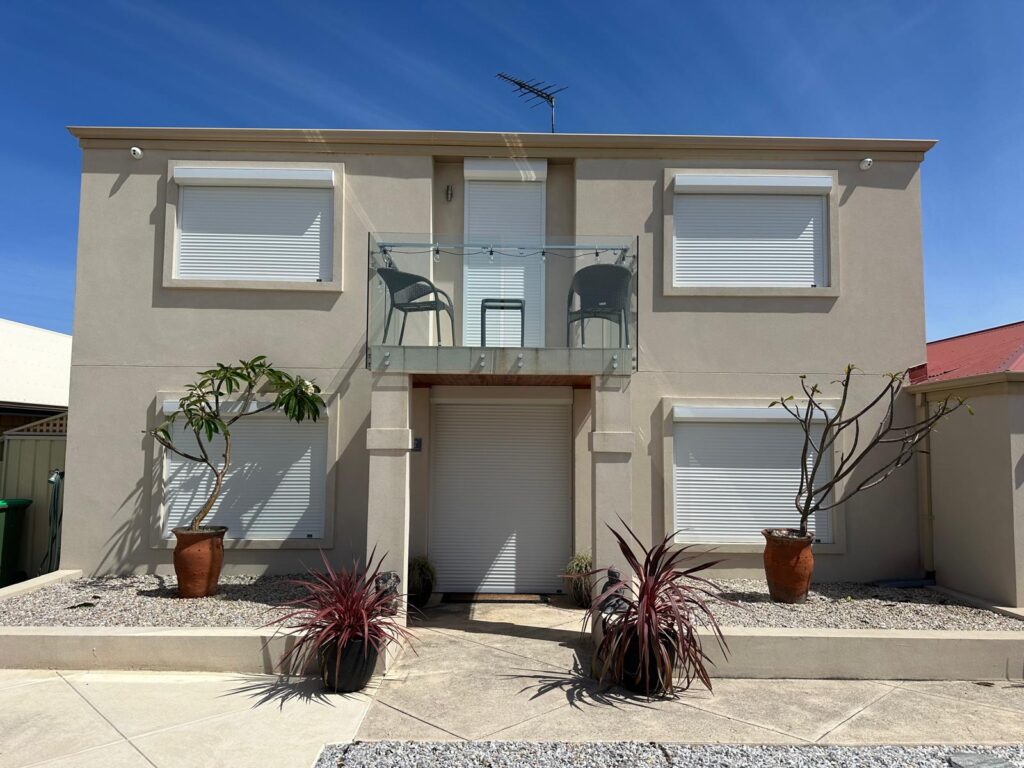
When an electric shutter is closed, the motor acts as a lock. The curtain physically cannot be lifted from outside without extreme force, far more resistance than a manual shutter provides.
Manual shutters offer good security, but a determined intruder can potentially lift them. The spring mechanism provides resistance, not true locking.
For maximum security, consider MCF’s LOCKSAFE™ roller shutters, Australia’s first shutter with a patented 3-step anti-lift locking system. Combined with electric operation, it’s the most secure residential option available.
Maintenance and longevity
Manual shutters:
- Simpler mechanism means less to go wrong
- Straps and tapes wear out over time (5–10 years with heavy use)
- Springs need occasional adjustment ($80–$150 every 3–5 years)
- Overall lifespan: 15–25 years for the shutter, with periodic component replacement
Electric shutters:
- Motors are highly reliable (rated for 15,000–20,000 cycles)
- Consistent motor speed actually reduces wear compared to variable manual operation
- Motor replacement typically needed after 10–15 years ($600–$750 fitted)
- Premium European motors (Somfy, SIMU) can last 20+ years
Both types benefit from regular track cleaning and lubrication. If you’d like your shutters professionally serviced, our repairs and servicing team covers all of Perth.
Still deciding? Here’s what we recommend
After helping hundreds of Perth homeowners choose between manual and electric, here’s our honest advice:
If you’re covering three or more windows, go electric
The time and effort saved operating them daily is worth the premium. You’ll actually use your shutters properly instead of leaving them open because it’s too much hassle to close them all.
If budget is genuinely tight, manual works fine
Don’t let anyone tell you manual shutters are inferior, they’ve been protecting Perth homes for decades. Start with what you can afford, and you can always upgrade later.
If anyone in your home has mobility concerns, electric is essential
The independence and dignity of one-touch operation is invaluable.
If you’re building or renovating, invest in electric now
It’s significantly cheaper to install during construction than to retrofit later. Future-proof your home while the walls are open.
Ready to get the right shutters for your home?
Every home is different. Window sizes, accessibility, budget, and lifestyle all factor into the best choice for your situation.
At MCF Master Group, we’re a family-owned Perth business with qualified electricians on staff. That means we handle everything, measuring, manufacturing, installation, and electrical work, without subcontractors adding cost and complexity.
What we offer:
- Free measure and quote: We’ll assess your windows and recommend the best option
- 10-year warranty on electric motors and components
- 2-year workmanship guarantee on all installations
- Price match: We’ll beat any written quote by 5%
- Current offer: $450 off per shutter + free WiFi hub when you install 3+
Whether you choose manual, electric, or a combination of both, we’ll make sure you get roller shutters Perth that actually suit your home and your life.
Book your free measure and quote or call us on 0485 869 577. We’re happy to talk through your options with zero pressure.
Frequently asked questions
Can I convert my manual roller shutters to electric?
Yes, most manual shutters can be retrofitted with electric motors. Conversion costs $600–$950 per shutter for 240V hardwired, or $450–$560 for battery-powered options. The feasibility depends on your existing tube diameter, shutter weight, and access to power. Battery motors are a great option if electrical cabling is difficult.
How much electricity do motorised roller shutters use?
Very little. Each shutter costs approximately $8–$14 per year to run at current WA electricity rates. That’s based on two operations daily. The energy savings from better insulation (25–40% reduction in cooling costs) far outweigh the minimal running cost.
Do electric roller shutters work during power outages?
Standard electric shutters won’t operate without power. However, you can add battery backup systems (around $50–$100 extra) that provide 1–2 emergency cycles. Solar-powered motors and manual override mechanisms are other options. For bushfire zones, manual override is mandatory.
Which type is more secure: manual or electric?
Electric shutters are more secure. The motor acts as a lock, making the shutter extremely difficult to lift from outside. Manual shutters can potentially be lifted by determined intruders. For maximum security, consider LOCKSAFE™ shutters with patented anti-lift technology.
How long do electric roller shutter motors last?
Quality domestic motors last 10–15 years, or approximately 15,000–20,000 operating cycles. Premium European brands (Somfy, SIMU, Becker) often reach 20+ years with proper maintenance. MCF provides a 10-year warranty on motors and components.